
What Homeowners Should Know About Ductless Mini-Split Systems in Long Island, NY
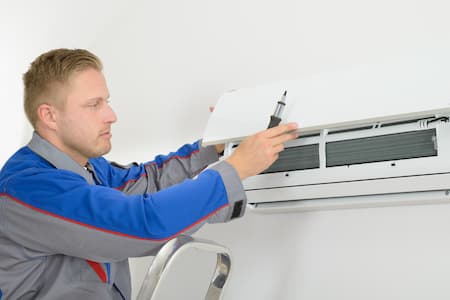
Thinking about upgrading comfort without tearing up walls? Ductless mini-split systems give many Long Island homes quiet, targeted heating and cooling with impressive efficiency. This guide explains how they work, where they shine in our coastal climate, and what to expect when you choose professional installation from Amtech Cooling and Heating.
If you want a deeper dive on equipment options and setup, explore our ductless systems page, then keep reading to decide if this approach fits your home.
For a quick overview or to schedule a visit, you can also learn more about ductless mini-split systems in Long Island, NY on our home page. Many households in Nassau and Suffolk counties use ductless to solve hot-and-cold spots, serve additions, finish basements, or convert sunrooms into four-season spaces.
How Ductless Mini-Splits Work
A ductless mini-split is a heat pump system with two main parts: an outdoor unit and one or more indoor air handlers mounted high on a wall, recessed in a ceiling, or set as slim console units. Refrigerant lines and control wiring connect the two through a small opening in the wall, moving heat in or out of your home depending on the season.
Each indoor unit conditions its own zone. That means the family room can be cozy while unused bedrooms idle, or your home office can stay cool on a muggy afternoon without blasting the whole house. Because there are no large ducts, energy losses through leaky or uninsulated ductwork are avoided.
Why Ductless Fits Long Island Homes
Our region sees sticky summers, windy shoulder seasons, and occasional winter cold snaps. Ductless systems handle these swings with variable-speed compressors that ramp gently to meet the load. In neighborhoods from Huntington to Islip, many houses were built as capes, ranches, or colonials that later gained additions or attic conversions. Those spaces often lack ductwork, making ductless an ideal match.
Older homes in places like Hempstead or Patchogue may have tight closets and low attic clearance, which makes new duct runs tough. Ductless avoids big soffits and keeps historic details intact. It is also helpful for detached garages, guest suites, and backyard studios where extending central ducts is not practical.
Benefits That Matter Day To Day
- Room-by-room control for better comfort and reduced energy waste.
- Quiet operation that fades into the background during calls or movie night.
- No ductwork required, so most installs are neat and minimally invasive.
- All-electric heating and cooling that pairs well with weatherization upgrades.
Because the system modulates capacity, temperatures feel steady instead of “on, off, on” swings. Many homeowners also notice cleaner indoor air since there are no long duct runs collecting dust.
What To Expect From A Professional Installation
A licensed HVAC team will evaluate your home’s layout, insulation levels, window exposures, and the rooms you want to condition. They will recommend a single-zone system for a specific area or a multi-zone design to serve several rooms with one outdoor unit. The indoor units mount on sturdy brackets with clearances for airflow and service, while the outdoor unit sits on a pad or wall bracket above typical snow levels.
Electrical and placement details matter, especially near the South Shore where salt air and winter storms can be tough on equipment. A pro ensures proper line-set routing, drainage, and weather protection. Permitting and utility rules can vary by township and season, so your installer coordinates local requirements and schedules the work efficiently.
Work with a licensed HVAC pro in New York to protect warranties and meet code. Proper setup helps the system heat well in winter and cool efficiently during our humid summers.
Choosing The Right Size And Configuration
Good performance starts with a careful load calculation for each zone. Your contractor will size indoor units based on room square footage, insulation, window orientation, and air sealing, then match outdoor capacity to the total connected load. In many Long Island homes, a common approach is one or two heads for high-use areas like the family room and primary bedroom, with additional heads for an office, basement, or addition as needed.
Wall-mounted units are popular for simplicity, while ceiling cassettes blend into finished spaces with enough joist depth. Low-wall consoles suit knee-wall rooms and dormers common in capes. Ask about cold-climate heat pump models if you expect regular heating duty during colder months.
Operating For Comfort And Efficiency
Set your preferred temperature and let the system modulate. Frequent on-off changes can reduce efficiency, so steady operation is best. Use built-in dehumidification modes on sticky August days to help rooms feel cooler without overcooling the air. In winter, maintain clear airflow around indoor units so the sensors can read room temperature accurately.
For homes near the North Fork or along the bays, wind exposure can be significant. Your technician may suggest wind baffles or strategic placement to reduce drift on the outdoor coil. Keep the outdoor unit clear of snow, leaves, and debris so air can move freely for both heating and cooling.
Local insight: Coastal humidity on Long Island can push indoor moisture up fast in late summer. Using the system’s dry or dehumidify setting on peak days helps maintain comfort while protecting finishes in basements and beach-adjacent homes.
Maintenance And Long-Term Care
Professional maintenance keeps performance strong and safeguards warranties. During a service visit, a technician inspects electrical connections, checks refrigerant pressures, verifies condensate drainage, and confirms smooth fan operation. They will also review control settings so the system responds the way you expect during shoulder seasons and heat waves.
Schedule professional maintenance every year, ideally before peak cooling or heating seasons. Consistent care supports quiet operation, reliable heating in January, and efficient cooling during July humidity.
When Ductless Is Not The Best Fit
If you already have a well-designed duct system in good shape, a central heat pump or high-efficiency air conditioner might be the better upgrade path. Very large, open-concept homes may benefit from a hybrid approach that uses central equipment for big spaces and ductless for bonus rooms or problem areas. Explore broader options on our residential hvac services page to compare paths for your home.
How Ductless Solves Real-World Home Challenges
Many Long Island homeowners add a mini-split when converting a garage to a gym, finishing a basement media room, or enclosing a porch. These projects typically lack ductwork and can suffer from temperature swings. A ductless head in each space gives direct control and keeps comfort stable all year.
Homes in Brookhaven and Smithtown often have second-floor bedrooms that run hot in summer. A small wall-mounted unit there can take the edge off without oversizing your central system. For in-law suites and rental cottages, separate zoning creates comfort without mixing airflow with the main house.
What Impacts Timeline And Scheduling
Project length varies by the number of zones, electrical needs, and the route for line sets. Most single-zone projects are completed quickly, while multi-zone systems and finish work add time. Complex homes, multi-story runs, and coordination with other renovations can extend schedules, especially during peak summer heat or cold snaps when demand is high.
To stay ahead of the curve, plan your project before the first heat wave or the earliest frost. That gives time to select the right equipment, coordinate permits as needed, and book installation on a date that works for your family.
Comfort, Quiet, And Control: Key Takeaways
- Ductless targets rooms that need it most and avoids the loss of long duct runs.
- Variable-speed technology smooths out temperature swings in every season.
- Professional design and installation are essential for reliable performance.
Used the right way, ductless can be a set-it-and-forget-it solution. It brings steady comfort to older homes and new additions alike, from Massapequa to Stony Brook.
Your Next Step On Ductless In Long Island
If you are ready to solve hot-and-cold rooms, start by reviewing our overview of ductless systems. Then talk with Amtech Cooling and Heating about a tailored plan that fits your rooms, your routines, and your renovation goals.
Have questions right now? Call 718-251-3643 to reach our team, or schedule a consultation to map out zones, equipment, and timing. When you want a trusted partner for careful design and clean workmanship, we are here to help with ductless mini-split installation that puts comfort first.
Looking at future upgrades throughout your home? See all the ways we can support comfort and efficiency with our full residential hvac services lineup.

Call Now For 24/7 Emergency Boiler & Heating Services!